
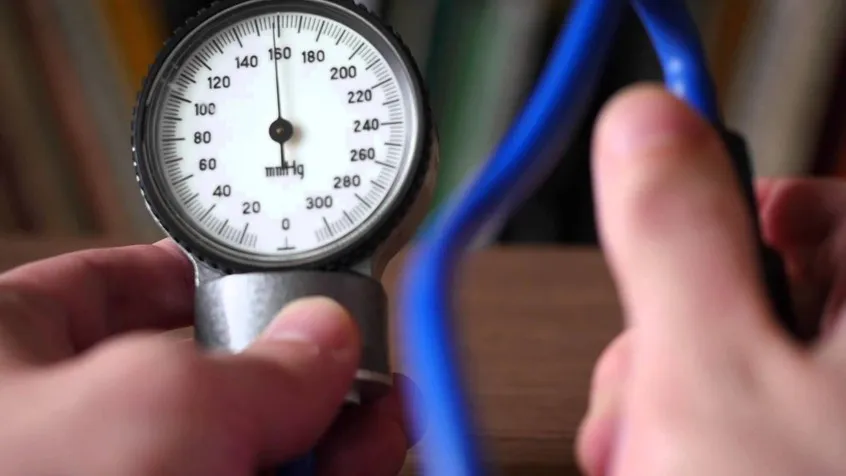
High blood pressure is a burden on the body and affects it negatively in several ways. The chronic presence of high blood pressure carries a long-term risk of heart attack and a number of other medical conditions.
All of us who struggle with high blood pressure know that keeping it under control can be a demanding task. The facts prove that floating lowers blood pressure without the use of medication or invasive medical methods.
Sensory deprivation (R.E.S.T.) is the concept on which floating is based, and it focuses on the idea of limiting external stimuli, which encourages the body to improve its internal processes. During floating, blood pressure naturally drops, while the distribution of red blood cells increases. The blood vessels relax, which increases blood flow and reduces the pressure of the blood against the vessel walls.
Blood pressure and stress
Stress is one of the biggest factors contributing to high blood pressure. Every day we encounter several kinds of stress. We often experience the first stress in the morning during rush-hour traffic, which triggers nervousness and a subsequent rise in the level of the stress hormone (cortisol). The demands of the workplace often contribute to improper and ill-timed eating (skipping meals, sugar…), which represents a different kind of stress than the one in rush-hour traffic.
Experiencing stress on a daily basis causes the body to release the stress hormone, which, when constantly present, is very harmful to our body. Floating offers a natural way to fight stress.
When we float, the body can regulate its chemicals without external stimuli. The Epsom salt in the water contains magnesium, which is absorbed through the skin and stimulates increased production of dopamine. Dopamine is the happiness hormone, naturally produced by our brain, that brings about contentment and a sense of well-being. When we feel good, blood pressure drops, so naturally stimulating an increase in dopamine production in the body is an excellent way to manage high blood pressure.
How long the positive effect of floating lasts
Floating therapy is an excellent way to lower blood pressure. The effects of the therapy are intense and last longer than you would expect.
If you are trying to reduce your blood pressure, floating therapy is an excellent way to do it, and the benefits last much longer than you might expect. The magnesium in Epsom salt allows the blood vessels to relax as the whole body relaxes. Magnesium is an important substance for the functioning of over 300 bodily functions, including sleep. Many people do not know that the cause of insomnia is a lack of magnesium in the body.
The effect of floating in connection with lowering blood pressure lasts for several months if you give the body the chance to get used to regular periods of deep relaxation. Floating regularly, in the sense of once a month, combined with proper nutrition and regular physical activity, ensures lower blood pressure and a better sense of well-being.
Source: http://northwestfloatcenter.com/blood-pressure-health-benefits-of-floatation/