WEIGHTLESSNESS vs. FLOATING
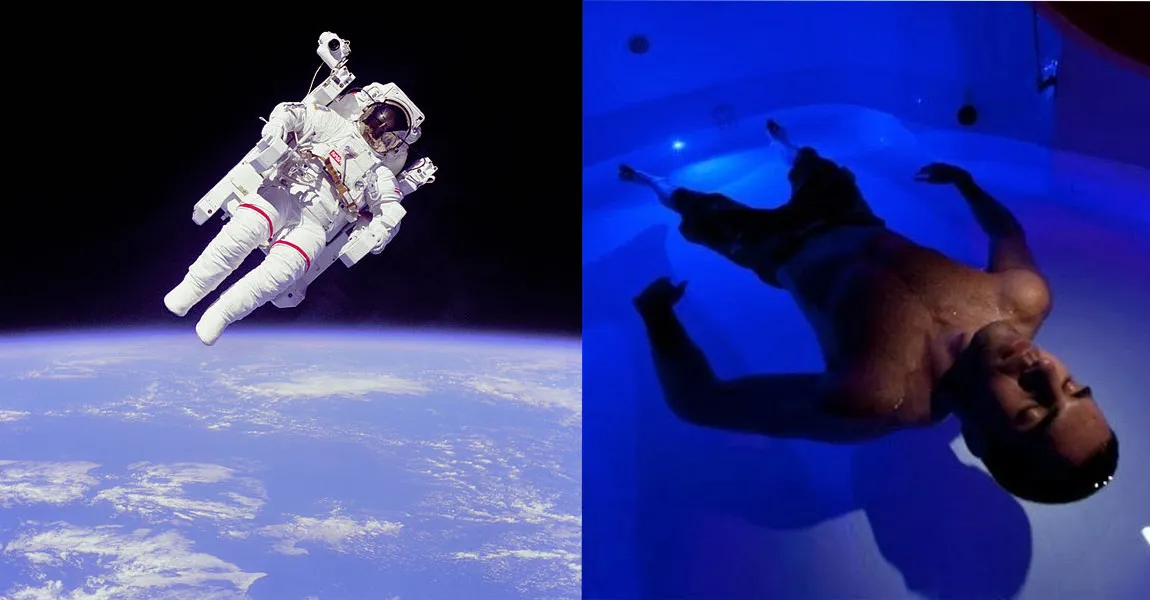
Floating is the best simulation of weightlessness on Earth. A comparison of what astronauts feel in space and what floaters feel in the pool.
Read moreInsights, research and tips for deeper relaxation — everything about floating in one place.
Floating is the best simulation of weightlessness on Earth. A comparison of what astronauts feel in space and what floaters feel in the pool.
Read moreIn spring the body needs more energy, which often leads to fatigue. Floating is a tool that helps with a gentle transition and well-being.
Read moreFloating opens access to the subconscious and releases endorphins, which can help with quitting smoking and managing addiction in a natural way.
Read morePractical tips for your first float: step in without expectations, relax, face your fears, and treat floating as physical and mental self-help.
Read moreHow often you float is a personal decision. The answer depends on how you feel, your stress levels, and the experiences you gain through floating.
Read moreHigh blood pressure puts strain on the body. Floating lowers blood pressure without medication or invasive methods and offers a natural way to fight stress.
Read moreWith chronic fatigue syndrome, neither sleep nor rest relieves the exhaustion. Floating helps control the symptoms and improve sleep.
Read moreFloating is an objective experience that everyone lives through differently. There is no right or wrong way — but tips from experienced floaters can help.
Read moreA personal account of floating: from preparation and entering the pool to weightlessness, silence, and a deep sense of carefree calm during the therapy.
Read moreResearch using an EEG device shows how floating therapy changes brain waves and opens the way to better mental and physical health.
Read moreBook a session by phone or email — we are happy to advise you and answer all your questions.